How to Capture Breathtaking Moments in Australia’s Natural Landscapes
Preparing for the Journey
Embarking on a photography expedition demands meticulous planning, especially when venturing into the raw beauty of destinations like Australia. The vibrant street art of Fitzroy might catch your eye, but as photographers, our true playground extends to the wilderness. Whether planning a shoot in Yarra Bend Park's picturesque landscapes or eyeing a thrilling escapade for a tailormade south america adventure, thorough research is your compass.
Researching Ideal Locations
Identifying the right location is essential. Start with understanding the habitat and cultural value of the areas you intend to explore. Consider the time of year as some places, like certain african safari regions, offer unique opportunities to capture wildlife at specific times.
Essential Gear Checklist
For capturing the diverse Australian environment, your equipment checklist should ensure versatility and resilience. Include:
- A DSLR or mirrorless camera with different lens options for wide-angle and telephoto shots.
- A stable tripod for long-exposure and low-light photography.
- Extra batteries and memory cards because remote locations might not offer power sources.
Weather and Timing Considerations
Understanding climatic patterns is crucial. In places like the Royal Botanic Gardens, timing your shoot to coincide with special blooms ensures you capture them at their peak. Similarly, knowing the migration periods of local wildlife adds a significant edge to your work. Study weather forecasts to prepare for sudden rains or harsh sun, both reflective of Australia's unpredictable climate. Navigating these elements allows photographers like us to honour both our art and environment.
Composing Stunning Shots
Utilizing Natural Lighting
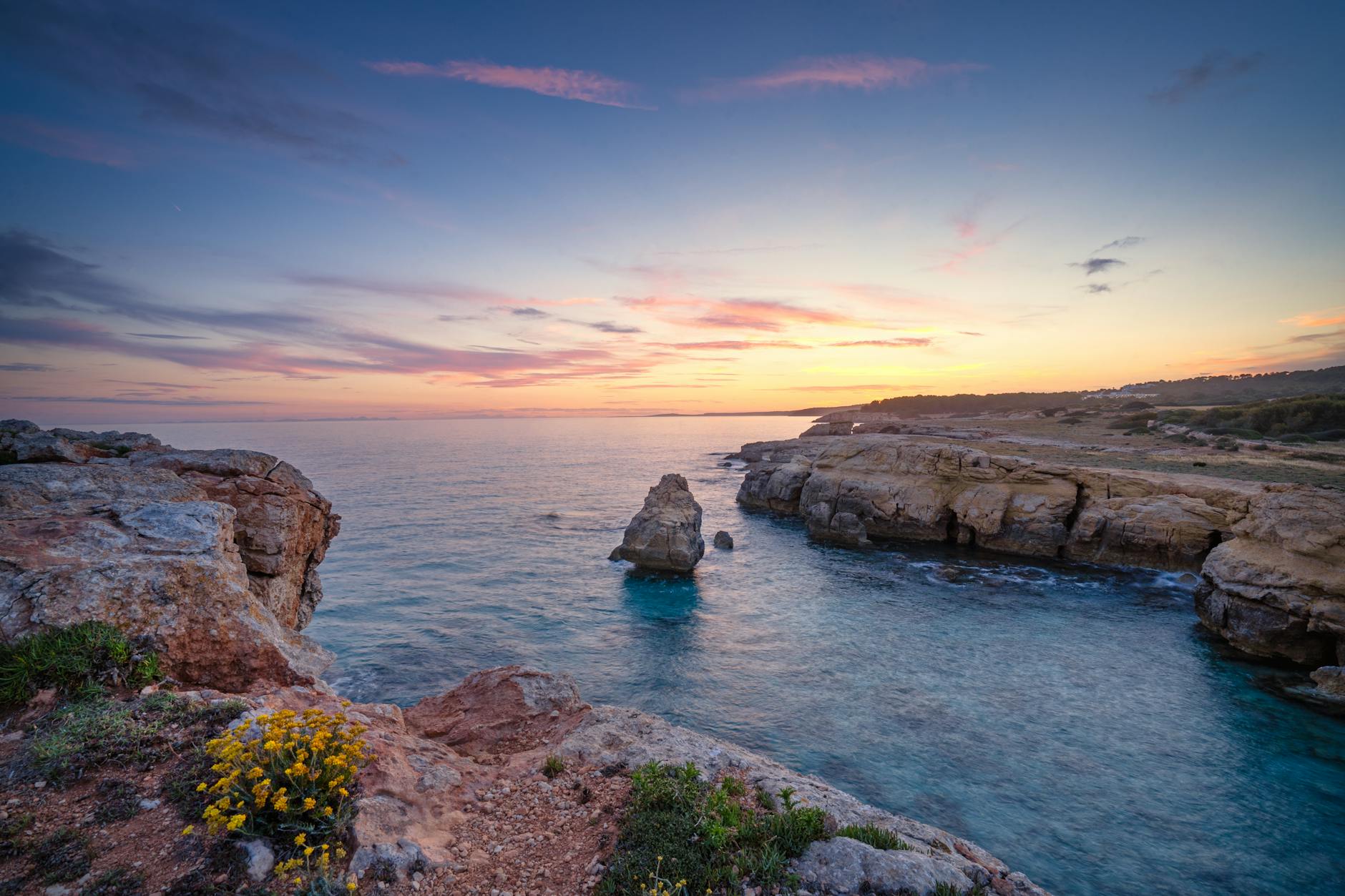
Capturing images with natural lighting is an art form in itself, particularly when exploring places like the Royal Botanic Gardens. Understanding how to harness the ambient light can transform a photo from average to exceptional. Start by observing how sunlight interacts with your subject at different times of day. The golden hours—just after sunrise and before sunset—provide a soft, warm light that bathes landscapes in gentle hues, ideal for showcasing the rich flora or striking landscapes of your adventures. This is also a prime opportunity for those stunning shots you’ve always wanted.
Framing for Impact
Framing is crucial when it comes to crafting visually striking images. Consider using elements within the scene to frame your subject, such as trees or rocks, which can add depth and context. Aligning the subject with larger landscapes can dramatically enhance your composition, allowing viewers to feel a connection to the vastness of the scene. This technique is particularly useful during ventures like arctic cruises where vast, open spaces require strategic framing to create visual interest and focus.
Depth and Perspective Techniques
Mastering depth and perspective is essential for creating dynamic compositions. Use leading lines to guide the viewer's eye through the photo, such as pathways in Yarra Bend Park or winding rivers. Experimenting with angles—capturing shots from both high and low perspectives—can offer fresh views even of well-documented locations. This is extraordinarily useful when exploring areas as diverse as polar expeditions where the landscape's grandeur demands a strategic approach to depth and scale.
Capturing Animal Behaviour
Approaching Wildlife Safely
Embarking on wildlife photography adventures often demands balancing exquisite shots with safety and respect for the animals. Safely approaching wildlife involves studying their habits and recognising signs of stress, allowing me to remain unobtrusive. As a photographer, the goal is to capture authentic moments without intruding on their natural behaviour, much like the harmonious relationship between the vibrant street art of Fitzroy and its urban setting. When travelling, as seen in destinations like Kenya tours or Central America tours, always follow local guidelines and expert advice to minimise disturbances.
Capturing Action Shots
Securing powerful action shots requires a combination of patience and readiness. With practice, adjusting settings to freeze movement or achieve dramatic blurs can highlight the raw energy of animals in motion. Faster shutter speeds are crucial when capturing a hunt, leap, or flight. As with the colourful wildlife of Fitzroy’s murals, timing and instincts turn an unpredictable moment into a captivating image that speaks volumes.
Patience and Timing Secrets
In wildlife photography, patience is an invaluable asset. Observing and waiting for perfect lighting or an animal's behaviour provides the chance to capture candid moments. This patience ensures that the photos not only look stunning but also tell a story, much like the constantly evolving scenes in Yarra Bend Park's natural landscapes. Mastering the art of waiting transforms fleeting times into memorable visual narratives.
Post-Processing Techniques
Enhancing Natural Colors
Post-processing plays a crucial role in bringing out the vibrancy of landscapes without compromising the authenticity of your captures. When enhancing colours, utilise software tools like Adobe Lightroom to fine-tune hues, saturation, and luminance. A gentle adjustment can make a world of difference, replicating the rich palettes found in locales such as Antarctica’s icy blues during antarctica cruises or the deep greens of Yarra Bend Park’s foliage. Always strive to maintain the integrity of the scene as you remember it during the shoot.
Managing Contrast and Exposure
Achieving a balanced contrast and exposure ensures your images reflect the drama and subtleties of the moment. Use the histogram feature in editing software to check for under or overexposure, making slight adjustments as needed. High contrast scenes, such as those found in the diverse ecosystems during an africa safari, can benefit from split toning techniques to preserve details in both shadow and highlight areas.
Maintaining Authenticity in Edits
One of the biggest challenges in post-processing is resisting the temptation to over-process. The aim should be to highlight what was naturally there, offering viewers a glimpse into the genuine beauty of the scene. Use subtle adjustments to accentuate rather than overpower, keeping in mind the environmental context and cultural integrity of the location. By prioritising authenticity, each photograph becomes a storyteller, capturing the essence of diverse landscapes from the bustling streets of Fitzroy to untouched natural expanses.
Overcoming Common Pitfalls in Nature Photography
Avoid Overediting Images
In a city renowned for its stunning natural landscapes and vibrant street art, it's crucial that our photographs reflect authenticity and raw beauty. It's tempting to insert uniqueness into our shots with software, but overediting can strip an image of its soul and reality. Photoshop remove background might seem appealing for enhancing focus, but be wary of morphing an image into something unrecognisable. Subtle adjustments can enhance highlights and shadows without overshadowing the natural splendour of locations like the Yarra Bend Park. Keep the integrity of the shot intact—let the reality of the moment captivate viewers.
Consider Environmental Impact
As photographers, it's vital to tread lightly on the ecosystems we cherish. Whether capturing the vivid blooms at the Royal Botanic Gardens or the playful kangaroos bouncing across an open field, we must ensure our practices do not harm these environments. Understand the environmental impacts of tourism and how responsible action can preserve the beauty for generations. Adopting eco-friendly practices like using recyclable materials and respecting wildlife habitats will secure these locations, offering endless photographic possibilities.
Respect Local Guidelines
While chasing sunsets in Fitzroy's bustling streets or silhouetted trees in a national park, remember that respecting local guidelines strengthens the bond between art and environment. Each region has specific do's and don'ts aimed to conserve their delicate ecosystems. Understanding and adhering to these not only safeguards the scenery but enriches your storytelling—giving life to a photograph that's not just impactful but steeped in cultural respect. This vigilance ensures that every frame you capture is not just a memory but a shared tribute to Australia's natural wonders.